Coffee and Poetry

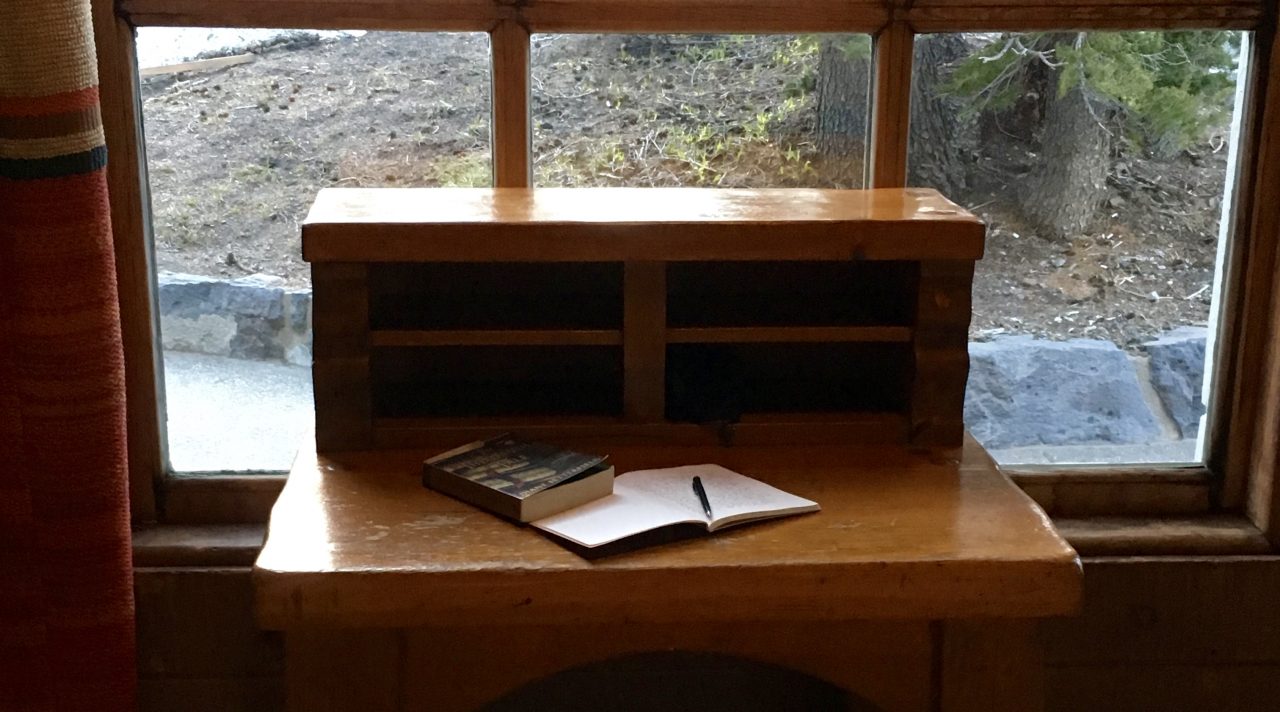
IMG_0044

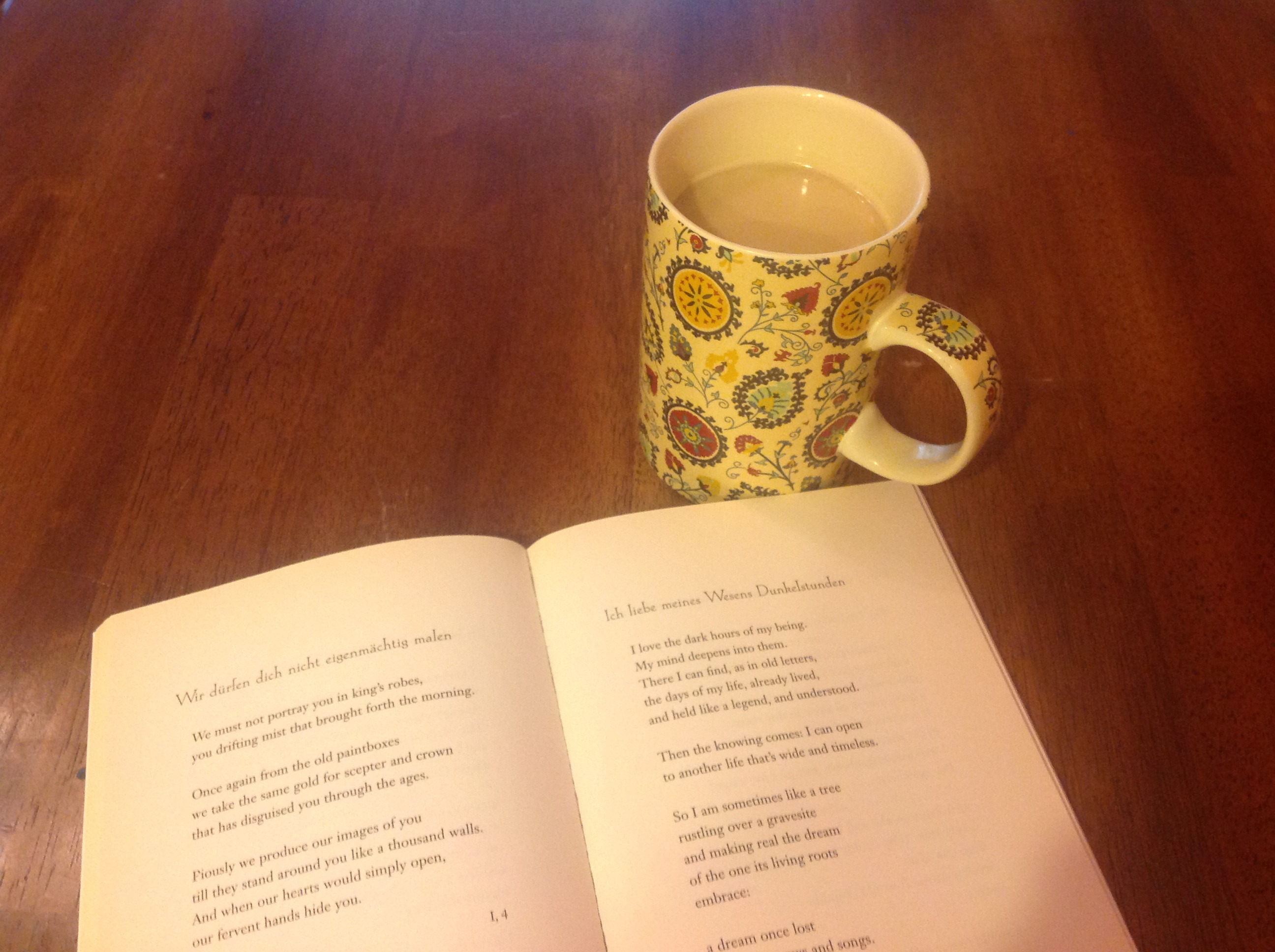
I drink coffee every morning; almost every afternoon, too.  Coffee just makes things better, and I feel its absence keenly if I don’t have it.

A good cup of coffee is a complex elixir, a number of lovely qualities perfectly and inseparably blended; however, one attribute may take prominence over the others at certain times.  On cold early mornings, its warmth is of utmost importance.  Most days, its aroma and flavor are most attractive to me.  Sometimes the caffeine boost is my primary reason for reaching for a cup.  And on occasion coffee is a social drink, a backdrop for friendly conversation or companionable silence.

Poetry, I find, is much like coffee.  It is part of my rhythm, and I get off kilter if I don’t read or write or recall some each day.  Sometimes comfort is the most vital aspect; being wrapped in well-worn words calms and soothes me.  Many days, I find simple joy in the taste of the syllables on my tongue.  Often it is a stimulant, inspiring me in my own work.  And at times poetry is a community event, drawing diverse people into a place where they can relate to each other.

My Life as a Doll, Part Two

img166

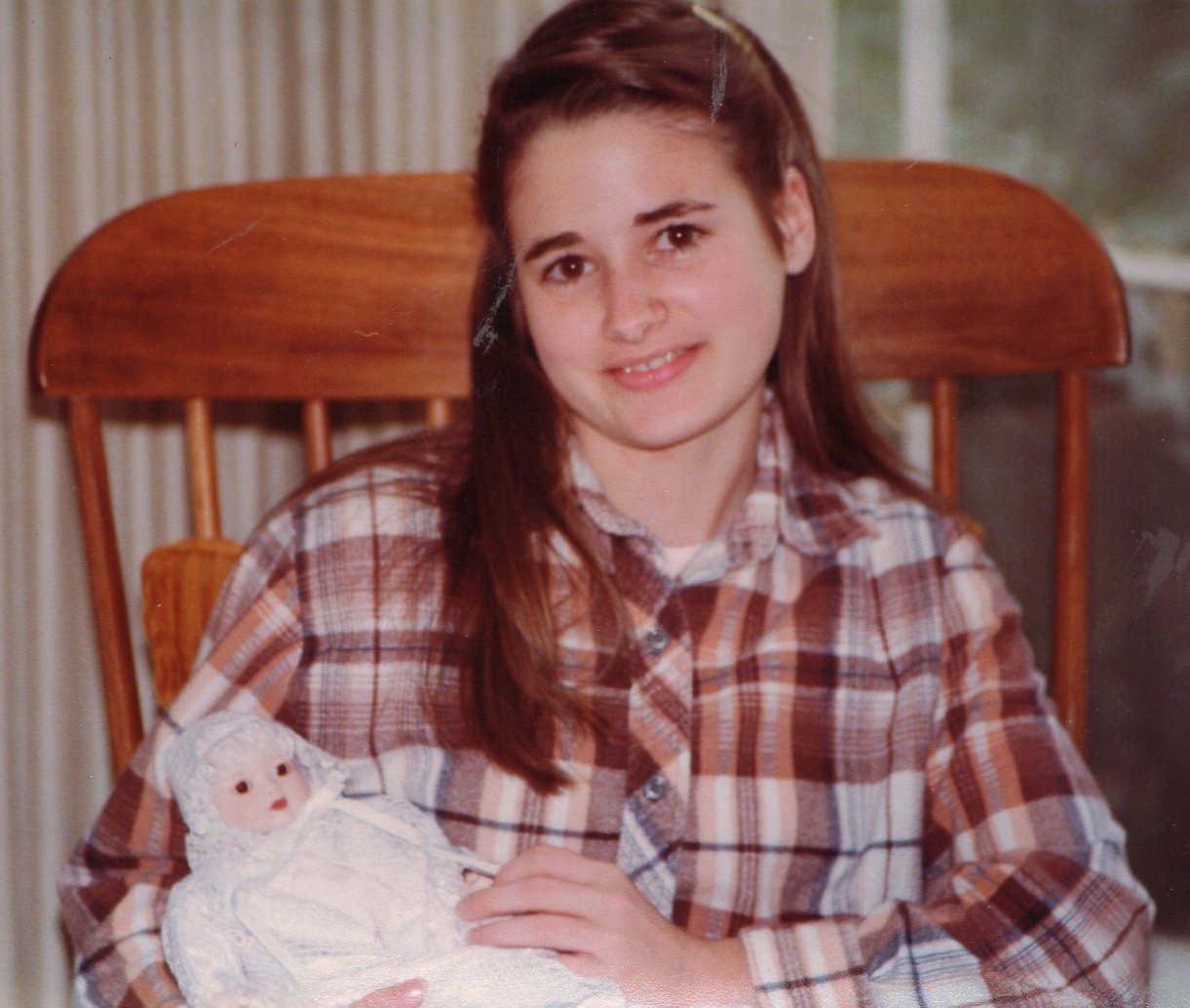
By my late teen years, I had packed away my baby dolls and started collecting china dolls.  Daddy was pastoring a little church then.  Most of the twenty-five or thirty congregants were older folks.  Many of them I’d known all my life, but there was an occasional newcomer.  One ‘new’ old gentleman who lived alone became quite active in the church and accordingly spent a fair amount of time with our family.

Frank often told my parents, in my hearing, that I was ‘a little porcelain doll.’  He meant it as the sincerest compliment; it was his way of saying that I was pretty and delicate and well-mannered.

Collectible dolls are usually meticulously molded and constructed, perfectly painted, elegantly dressed.  They are lovely, but not precisely lovable.  They don’t hold up well under the strain of ordinary day-to-day handling.  They are cold, and stiff, and fragile.

At that point in time, I had most of the qualifications for being a china doll.  I wore a vaguely pleasant, noncommittal expression on my face.  I went where I was supposed to go and filled the place assigned to me without argument.  I behaved properly, as expected.  I didn’t talk out of turn.  My feelings were carefully concealed beneath an aesthetically pleasing surface.

Outdoor Communion

image courtesy stock.xchng

image courtesy stock.xchng

The Branch Delicate
E.B. White, Trees of Winter

Oh, they are lovely trees that wait
In the still hall of winter,
Silent and good where the Good Planter
Fixed the root, wove the branch delicate.

Friendly the birches in the thin light
By the frost sanctified,
And here, too, silent by their side,
I stand in the woods listening, upright,

Hearing in the cold of the long pause
Of the full year
What trees intend that I should hear:
Interpretations of old laws…

Hearing the faint, the chickadee cry
Of root that molders,
Of branch bent, and leaf that withers
And little brown seed that does not die.

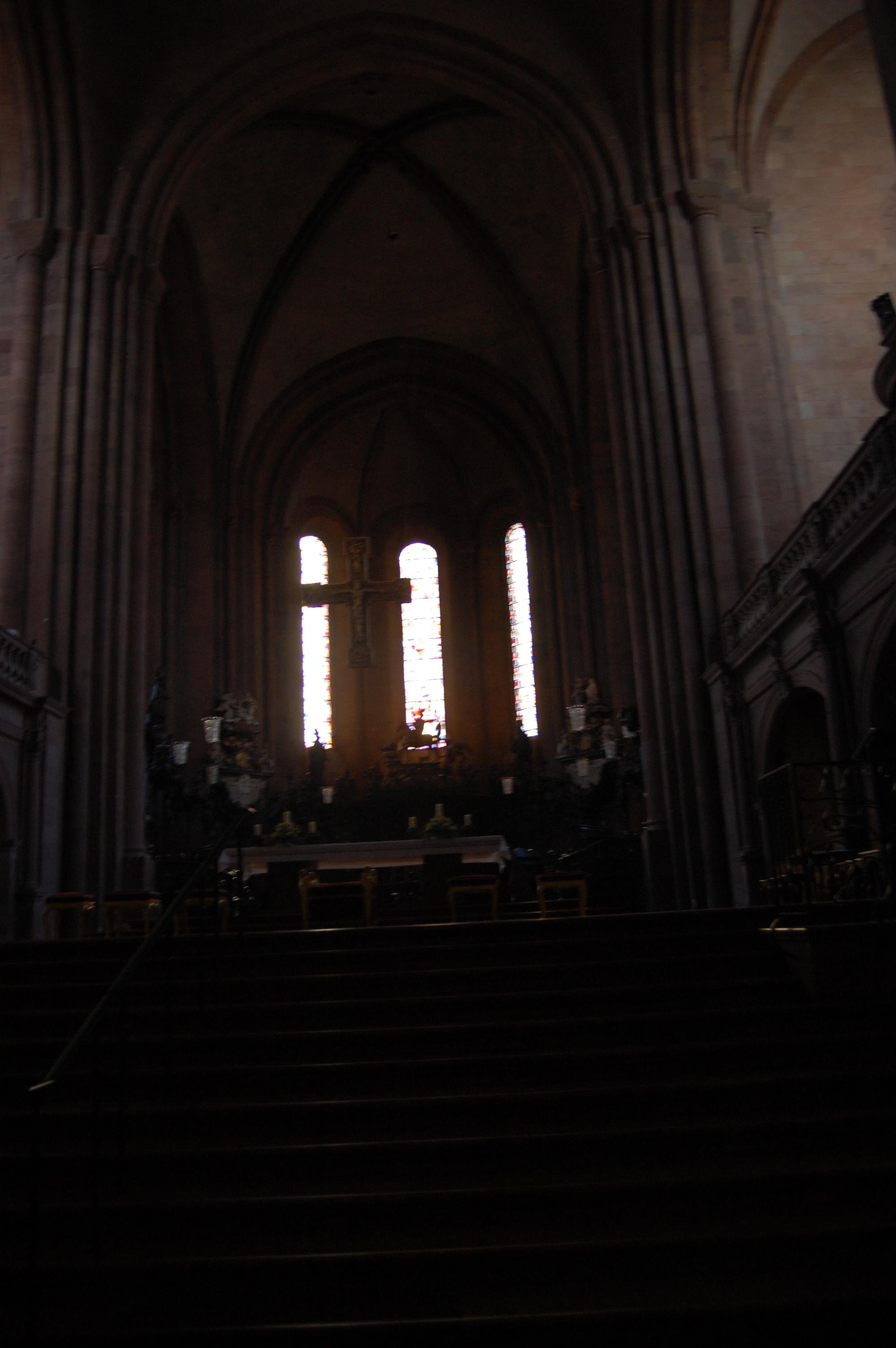
The cadence of this poem transports me to a great open-roofed cathedral, in which the trees are the pillars and the Planter the unseen celebrant.  I stand under the bare, arching branches, the only human for miles, wrapped in a solitude dense with an almost-tangible Presence.

 It is good to be here, just to breathe, just to be.   All shall be well.  It is good to know that this is the place ordained for me to be, for a season.  All shall be well.  It is good to commune with the trees in this vast stillness, to partake in the mystery of the falling leaf and the moldering root and the seed biding its time.  All manner of thing shall be well.

This piece was originally posted on http://www.allninemuses.wordpress.com, the lovely blog of a lovely lady, Kelly Belmonte, without whose encouragement I would not be where I am today.

Ich glaube an Alles noch nie Gesagte

I believe in all that has never yet been spoken.
I want to free what waits within me
so that what no one has dared to wish for
may for once spring clear
without my contriving.

If this is arrogant, God, forgive me,
but this is what I need to say.
May what I do flow from me like a river,
no forcing and no holding back,
the way it is with children.

Then in these swelling and ebbing currents,
these deepening tides moving out, returning,
I will sing you as no one ever has,
streaming through widening channels
into the open sea.

~ Rainer Maria Rilke, The Book of Hours, I, 12

My Life as a Doll, Part One

Rebekah's 4th birthday 1

Baby Girl the Second’s ‘big’ Christmas gift last month was a very special doll, one that looks quite a bit like her. For the first couple weeks, Buttercup went everywhere with us, had her hair combed frequently, and was talked about to every friend, acquaintance, and store clerk who seemed even mildly interested (or not).  This daughter of mine has never latched onto one particular necessary-for-breathing doll or stuffed animal or blanket, but it looks like Buttercup is going to be a good friend for a long time, even though the first flush of adoration has worn off a bit.

Naturally, Baby Girl’s interactions with her doll set me to thinking, not only about the dolls who were my particular companions when I was her age, but also about my own experiences as a doll.

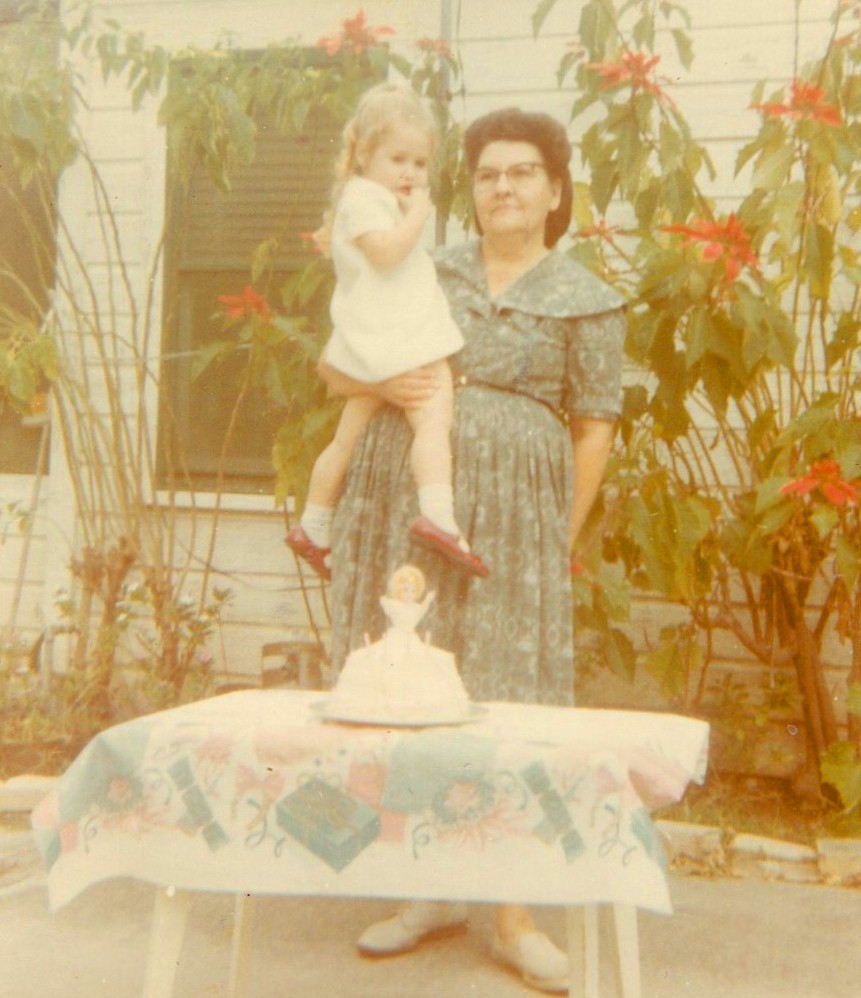
I loved my dollies; they were as tenderly cared for as a little girl knew how:  bathed and dressed and tucked in carefully at night.  But even more, I loved Grandma, and I was her dolly.  That was what she called me when I was small, and I was supremely happy and secure in the inarticulate but clear understanding that I was cherished and delighted in.

We moved a state away from Grandma when I was five.  She and I remained close always, but I had outgrown being her dolly by the time we lived near each other again.  That’s what happens, of course.  Little girls grow up, and their relationships change and mature.  They don’t relate to either their grandmothers or their dolls the same way when they are teenagers that they did when they were toddlers.  But that innocent assurance of being treasured, just by being, still seems to me a grievous loss.

Poetry as Therapy

A recent study shows that reading classic literature induces a higher-than-usual level of brain activity, and that poetry can ‘affect psychology and provide therapeutic benefit.’

http://www.dailymail.co.uk/sciencetech/article-2261636/Reading-Shakespeare-Wordsworth-offer-better-therapy-self-help-books.html

I can personally attest to at least some of these findings; poetry has most certainly provide(d) therapeutic benefit in my life, particularly the past couple years.  Reading poetry, memorizing it, reciting it, talking about it with friends, writing it, writing about it — in all these ways, poetry helps me find my self and my way.

Shadows, Part 2

img165

Sometimes shadows hide things.  It’s easy to image in the near-dark of late dusk that they cloak monsters or wild animals or evil men, waiting for the last light to fade completely before they leap (or creep) out to attack us.  We think that perhaps if we sit very, very still, don’t bat an eyelash, don’t make a sound, barely dare to breathe, we can pass the night unmolested.  Or maybe we’re paralyzed because the shadows are concealing our way.  We don’t go forward for fear of missing a signpost or a fork in the road, or stepping off into a mire of quicksand or over the edge of an unseen precipice.

Those dangers are, of course, real possibilities, and sometimes — sometimes — sitting down and waiting for the light to return before moving on may be the wisest course of action.  But not always, and never permanently.  We can’t stay forever in the makeshift huts we build ourselves on the edges of the shadowy places, which, if we’re at all honest, we know don’t offer any real protection anyway.  Sometimes we need to look at the shadows differently through the last shreds of sunset or the final flickers of our guttering torches.  This is affirmed in another definition of the word:  shelter from danger or observation.

Sometimes shadows hide us, screening us from they eyes of those who would harm us, providing us cover to slip past hostile sentinels unnoticed.  They may, blessedly, shroud obstacles we would think insurmountable, or veil perils that would freeze our blood if we could see them clearly.  Perhaps they prevent our being deceived into taking what would look, in broad daylight, like a shortcut or an easier road to our intended destination.  Shadows might make us more alert to the soft touch of a guiding hand, more apt to hear a still, small voice.

Friends, Finally

We are friends now, at last.  I’d say I’ve known them all my life, but it isn’t true, really.  I’ve identified them by sight, certainly, for as long as I can remember, but I refused to acknowledge them for years.  I’d shut my eyes and turn my head away, enduring their visitation in stony, jaw-set silence; or rage in hot tears at their intrusion.

But eventually anger runs out, and I realized that if we are going to meet regularly — and we undoubtedly are — it might as well be on amicable terms.  I gave up trying to avoid them, stopped resisting their company.

Now we sit together in a companionable silence most days.  They offer me a space for reflection and contemplation, and a first sounding board for ideas I’m not yet ready to share with anyone else.  I’ve come to truly value my time with four and five.

‘The Confession of a Lifelong Insomniac, Rebekah Choat, composed between 5:17 and 5:54 a.m., November 10, 2012’

The Shadow

DSC_0867

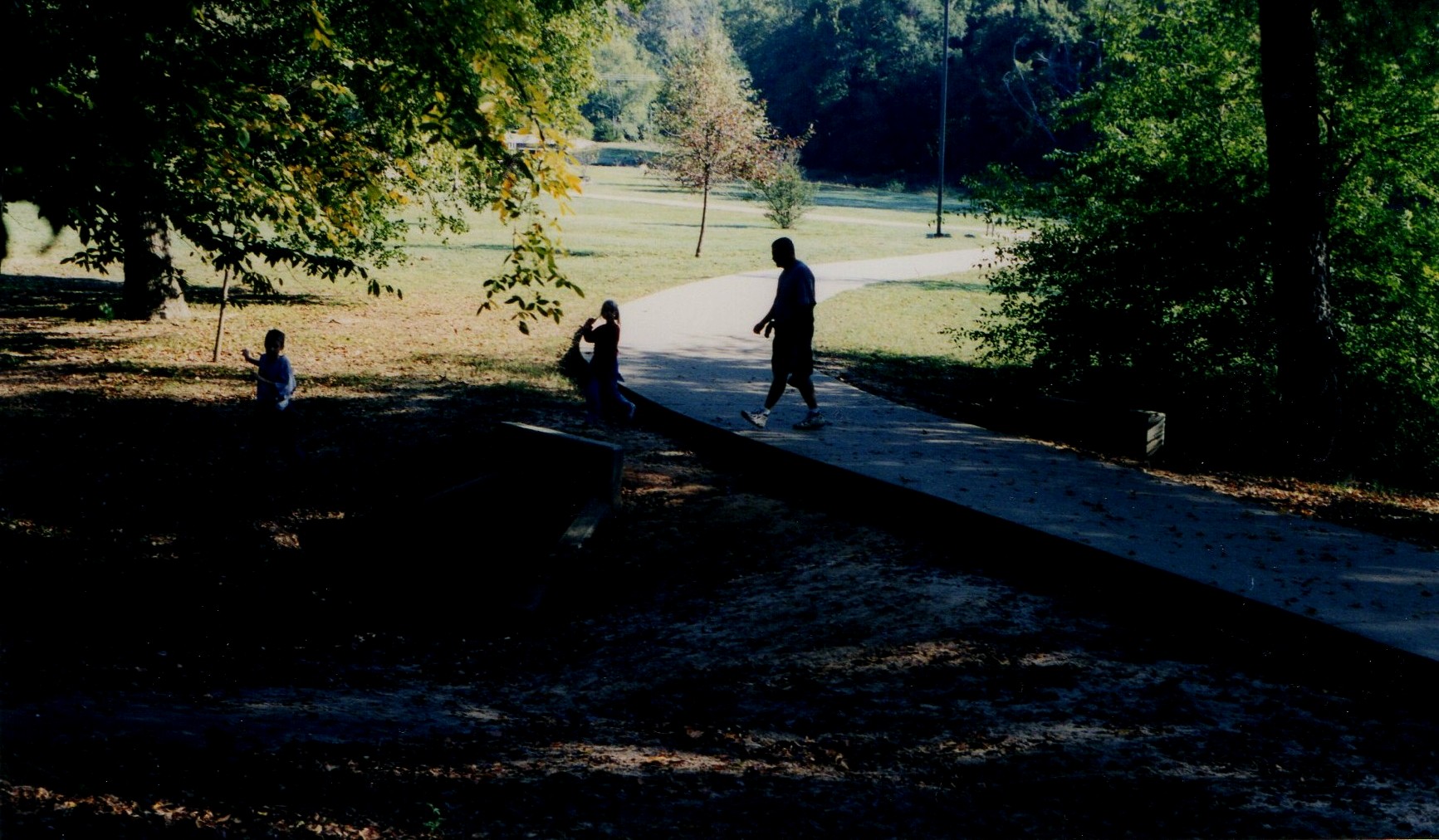
The word “shadow” has sixteen definitions or shades of meaning in my dictionary.  One of them is simply “darkness.”  In turn, darkness has a number of different nuances.  The natural physical darkness of night is both an invitation and a facilitator for our bodies to rest.  But that same night-darkness is feared by my young daughter, making many nights uncomfortable and unrestful, leaving me exhausted at dawn.  This weariness then makes me vulnerable to the darkness of depression, which seems always to hover nearby, ready to seep in through any crack in my defenses.  A friend of mine, who understands this struggle well, refers to depression as “the shadow.”

I’ve gradually become aware, the past few years, that the depression which assails me has a component of seasonal affective disorder – these darker days and longer nights of winter take a vague but noticeable toll on me.

Yet, in my heightened awareness at this season, I have found unexpected, sometimes startling, redemptive ways of looking at darkness.  T.S. Eliot says to let “the darkness of God” come upon you.  C.S. Lewis’s hero Ransom finds the darkness on Perelandra dense with the presence, the spirit of God.  George MacDonald notes that “all things seem rushing straight into the dark, but the dark still is God.”  And, as J.R.R. Tolkien’s Samwise Gamgee realizes, looking up out of the forsaken land, a star shines most brightly against the darkest sky.

Working Toward the Center

puzzle

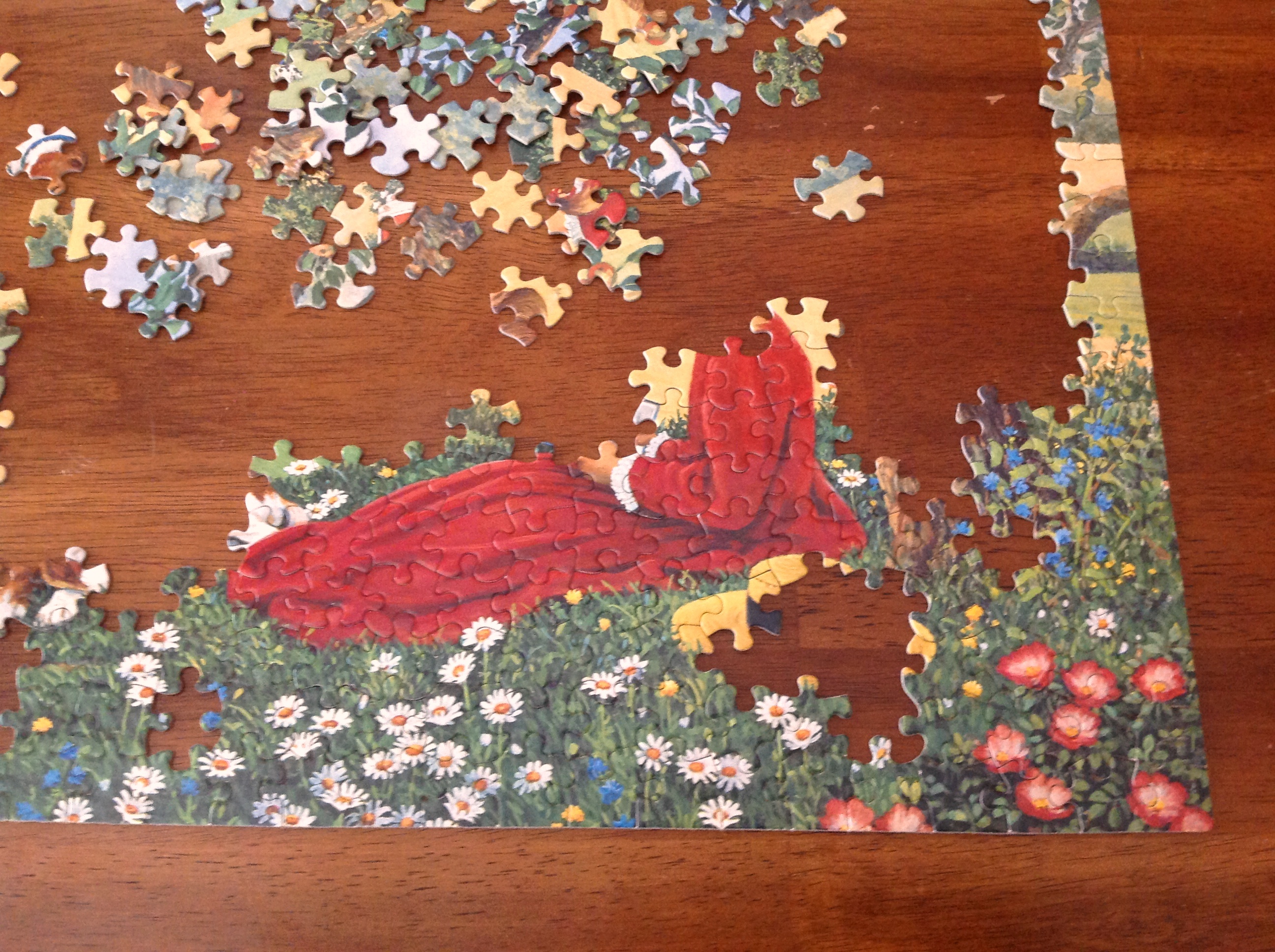
I’ve liked doing jigsaw puzzles since I was a little girl, maybe because I was a strange, solitary child who preferred playing alone; maybe because I was shy and uncoordinated and not good at tag or dodgeball; maybe because it gave me a sense of power and accomplishment to be able to manipulate little pieces of cardboard into a picture that meant something and was beautiful into the bargain.

In a lot of ways life seems like a giant jigsaw puzzle to me, one with 25,000 tiny pieces and the picture on the box missing.  I know the basic parameters – four corners, find the straight edges and build the frame first.  That much I’ve managed, by the grace of God and with a lot of help, in 45 years.  I know what my foundational values are, what beliefs make up the framework and structure of my life.

Now I’m in the process of filling in the outlined space, working toward the center.  I have some idea, based on the colors and shapes I can discern, what the finished picture may look like, but there are some pieces that don’t match the pattern I have in mind, and I can’t imagine how they are going to fit.

I’m generally not half bad at working puzzles.  I have a knack for seeing connections; sometimes I can tell at first glance which piece comes next in a section under construction.  But there are also times when I’m completely stumped, and the only way to proceed is by trial and error – pick up a piece that looks like it might work, try it this way, turn it around and try it that way, discard it and pick up the next piece that looks likely, repeat until something snaps in place.

Even this method isn’t foolproof.  Once in a while I get a piece that is the same color as the ones I’ve already put together, and it seems to be shaped properly to fit the space, but when I try to connect it something just isn’t quite right.  There’s a minute gap where there shouldn’t be, or a slant that’s a few degrees off, or some bit that juts out into an area where it clearly doesn’t belong.

Occasionally, the misfit is virtually imperceptible, and I don’t recognize it until some time down the line, when the initial shift away from true has sent everything else askew.  Then the only thing to be done is take apart the pieces that were built onto the false connection and set them aside to be worked in again later at the proper time and place.  Pushing forward without correcting the error, forcing unnatural conjunctions, only results in distortion and damage.

Some days the process is very frustrating, and I just want to throw out the pieces that don’t seem to fit, or quit working on it altogether.  But a still, small voice encourages me not to give up, that it will all come together someday, to keep working toward the center bit by bit.