image copyright Rebekah Choat
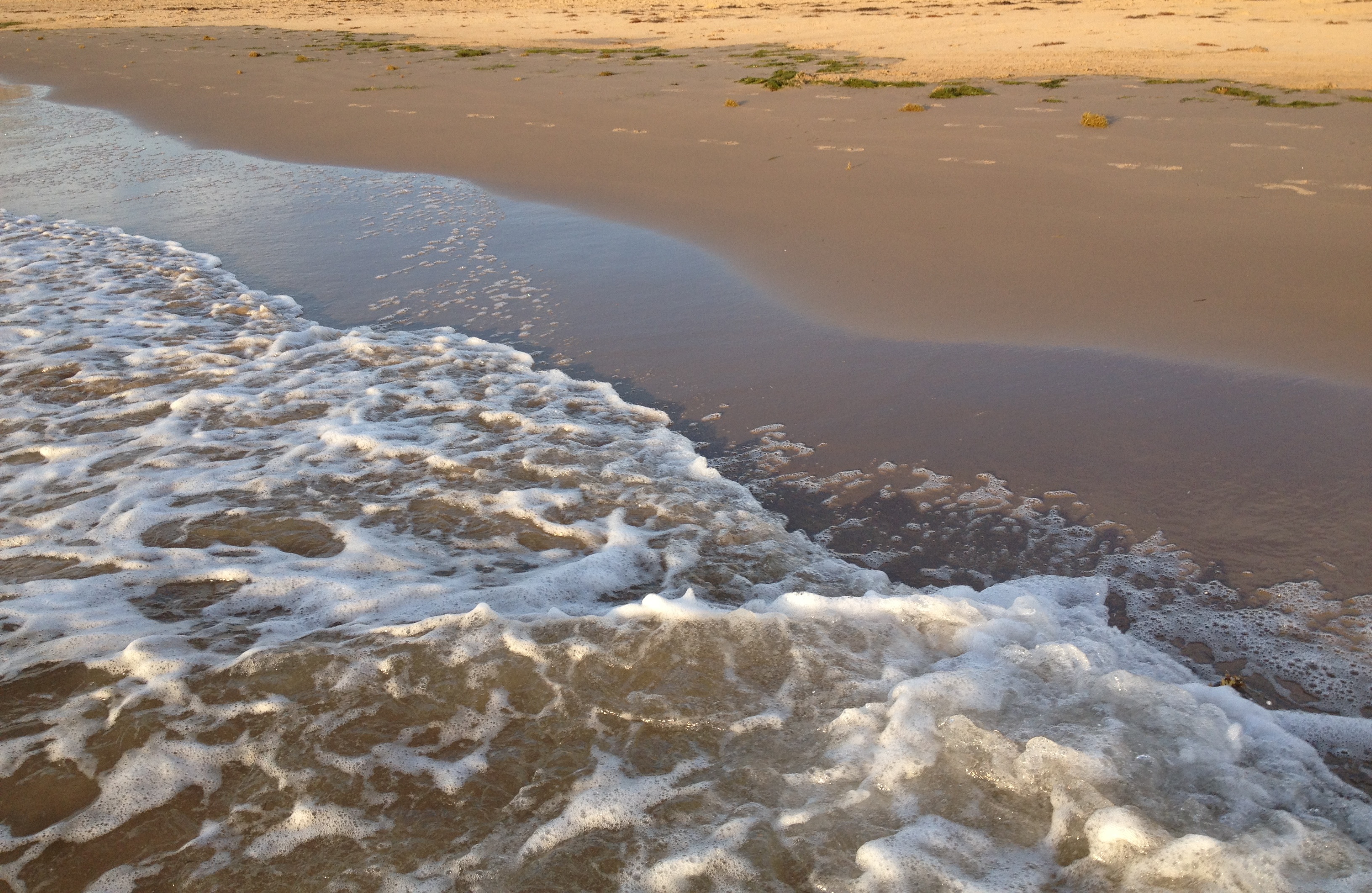
What are heavy? sea-sand and sorrow
What are brief? today and tomorrow
What are frail? spring blossoms and youth
What are deep? the ocean and truth
~ Christina Rossetti
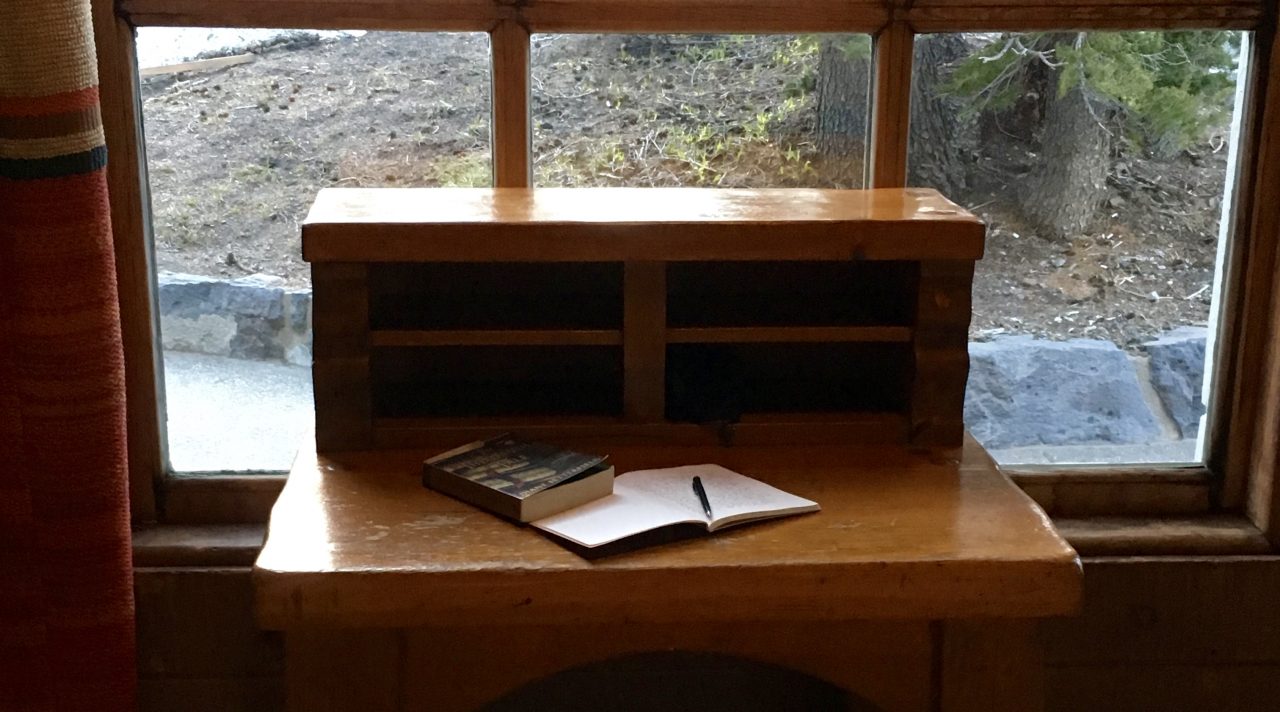
image copyright Rebekah Choat
What are heavy? sea-sand and sorrow
What are brief? today and tomorrow
What are frail? spring blossoms and youth
What are deep? the ocean and truth
~ Christina Rossetti
silence (n): the absence of sound or noise
I never thought before about the distinction between sound and noise. Sound, the dictionary says, is anything perceived by the sense of hearing, while noise denotes an unpleasant sound.
We can, if we try hard enough, find places of temporary escape from noise, but it’s virtually impossible to go anywhere completely devoid of sound. Even as I write this in the sanctuary of my study, I hear the hum of the computer, the clicking of the keys as I type, the dull roar of a lawnmower a couple houses down, the varied sounds of cars and trucks on the street below and an airplane overhead.
Absolute physical silence may be an unattainable quality for most of us, but sometimes, through an alignment of long practice of prayer and sheer grace, we are blessed to find a spiritual inner silence that calms and sustains us.
“Silence is that moment in which we not only stop the
discussion with others but also the inner discussions
with ourselves, in which we can breathe freely and
accept our identity as a gift…It is in this silence that
the Spirt of God can pray in us and continue its
creative work in us…” ~ Henri Nouwen
“At the extremity of prayer words vanish, or rather the
silence-become-word surpasses all that can be uttered.
Prayer becomes the silence of Love…” ~ A.I. Okumura
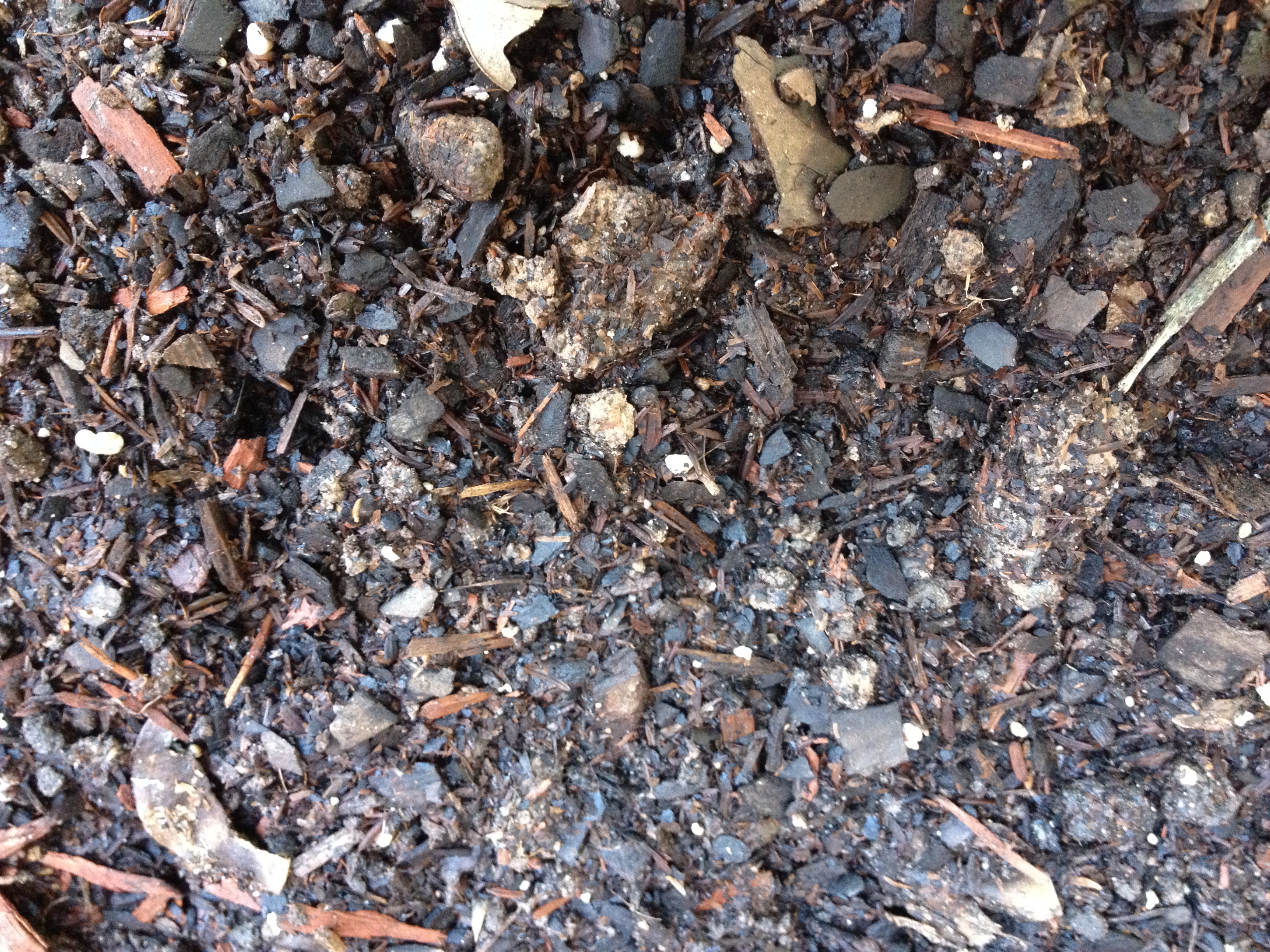
image by Rebekah Choat
The seed is in the ground.
Now may we rest in hope
While darkness does its work.
~ Wendell Berry
hope (n): a feeling of expectation and desire
for a certain thing to happen
It’s more than a passing fancy, more than a vague wish for something nice. Hope, the real stuff, is full of desire, of deep, intense longing. It’s founded on expectation, a firm belief that something will happen. And it’s specific – the desire and the expectation are focused on a particular object or outcome.
Hope can bide its time. It can lie dormant for a season, buried deep, but it is always alive, always alert and watching for its moment to burst into blossom, into something visible and tangible and vibrant.
“Hope is a yearning rooted in reality, that pulls
us toward the radical biblical vision of a world
where truth and justice and peace do prevail,
a time in which the knowledge of God will
cover the earth as the waters cover the sea…”
~ Katharine Paterson
presence (n):
(1) the state of existing, occurring, or being present in a place or thing;
(2) a person or thing that exists or is present in a place but is not seen
Presence is a vital concept for me these days, as I’m traveling through yet another season of waiting and uncertainty. I am blessed to have a small circle of tried and trusted friends who walk with me.
One of these dear ones reminds me, over and over, of the value of being present now and here, of neither dwelling on the past nor speculating on the future. Ann Voskamp, in her book One Thousand Gifts, eloquently describes the kind of presence my friend encourages me to practice:
‘Time is a relentless river. It rages on, a respecter of no one.
And this, this is the only way to slow time: when I fully enter time’s
swift current, enter into the current moment with the weight of all
my attention, I slow the torrent with the weight of me all here.’
Another treasured friend gave me the lovely gift of presence in a very tangible way last week. I was facing, with great anxiety, an unavoidably necessary test. I gave her enough information to have a sense of what was going on and confided my fear to her, and although she was in the middle of her work day half a continent away, she made herself available to me throughout the afternoon and evening. Her presence, even in physical absence, calmed and upheld me. This is surely something of what Tara Brach puts simply and profoundly: ‘The deepest expression of love is paying attention.’
image by Rebekah Choat
The splendour of Nirvana is not ours,
We have no middle eye, no mystic wings,
And our brief visions take us unawares.
We stand to prayer as rows of earthen jars
Whose dark mouths open onto hidden things:
A secret kingdom where the poor are kings.
Here is an image of that inner place,
The quiet mountain country of the soul
With silver pools where lions drink their fill
And the pale unicorns lie down in peace.
Here is an emblem of the hidden grace
Beneath the flux and turmoil of what happens,
A quiet kingdom where the silence deepens,
Whose heart is hallowed by the Prince of Peace.
~ Malcolm Guite
community (n): a unified body of individuals, as: (a) people with
common interests living in a particular area; (b) an interacting
population of various kinds of individuals in a common location;
(c) a body of persons having a common history or common social,
economic, and political interests; (d) common character
The word community is used in a lot of different contexts, more or less approximating one or another of the definitions given above. The past week I’ve been hearing the word on the news a lot, as the reporters talk about which communities are being hit hardest by our unusually cold weather. I think of my church as a community of the second type, one in which many people who may have little in common beyond a desire to attend services meet in a set location for a set purpose at set times.
What I consider true community is a blending of the remaining two meanings, a group of people who share not only an interest in a particular something, but also a commonality of attitude toward that something. For example, I once attended a writing group. Each of us was interested in creative writing, but I soon discovered that I had a very different focus and intent than any of the others. To me, community is a circle in which I can feel comfortable sharing deep thoughts and feelings, without having to explain overmuch, knowing I will be loved and respected no matter what.
Community is so much more than living and working together
It is a bond of the heart that has no physical limitations. Indeed
it is candles burning in different places of the world, all praying
the same silent prayer of friendship and love. ~ Henri Nouwen,
Sabbatical Journey
Yes, we are created in and for community, to be there, in love,
for one another. But community cuts both ways: when we reach
the limits of our own capacity to love, community means trusting
that someone else will be available to the person in need.
~ Parker J. Palmer, Let Your Life Speak
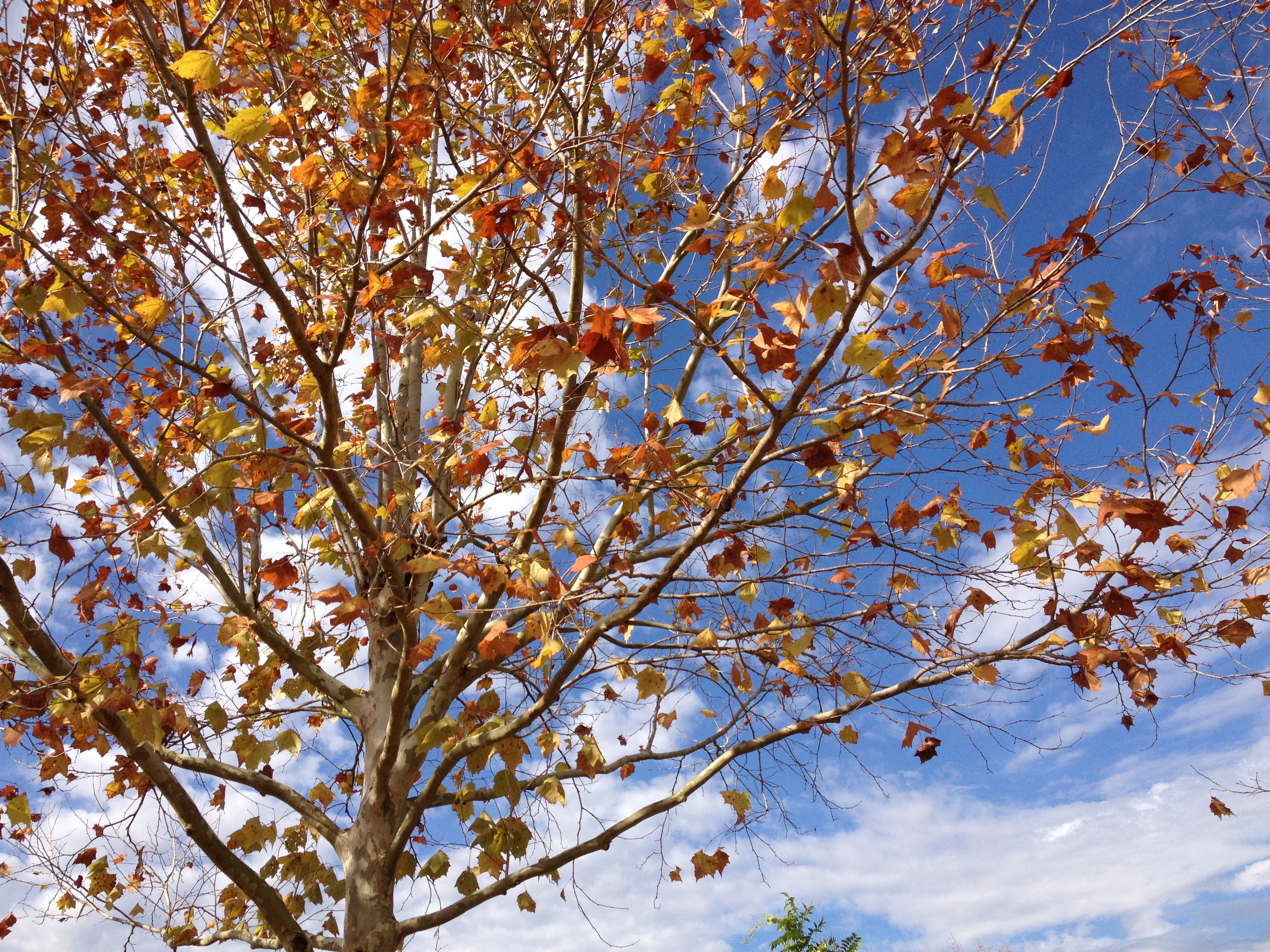
image by Rebekah Choat
God speaks to each of us as he makes us,
then walks with us silently out of the night.
These are the words we dimly hear:
You, sent out beyond your recall,
go to the limits of your longing.
Embody me.
Flare up like flame
and make big shadows I can move in.
Let everything happen to you: beauty and terror.
Just keep going. No feeling is final.
Don’t let yourself lose me.
Nearby is the country they call life.
You will know it by its seriousness.
Give me your hand.
~ Rainer Maria Rilke
Patience (n): (1) the capacity to accept or tolerate delay,
trouble, or suffering without getting angry or upset; (2) the
capacity, habit, or fact of being patient.
Patient (adj): (1) able to remain calm and not become
annoyed when waiting for a long time or when dealing with
problems or difficult people; (2) done in a careful way over
a long period of time without hurrying
Patience is not, as many seem to believe, simply resignation, not an attitude of putting up with one’s circumstances because there’s no choice anyway. That way lies despair.
Patience, I believe, is composed of elements of faith, trust, and hope. It is founded on an understanding that Someone greater than myself is responsible for my life, that He is aware of my situation and walks through it with me, and that He is bringing me in His best timing to the place I truly belong.
‘Patience is not acquiescence, or perpetual placidity…
Patience must be rooted in an overarching confidence that
there is Someone in control of this universe, our world, and
our life…A patient person knows the shortness of time and
the length of eternity.’ ~ Lloyd John Ogilvie
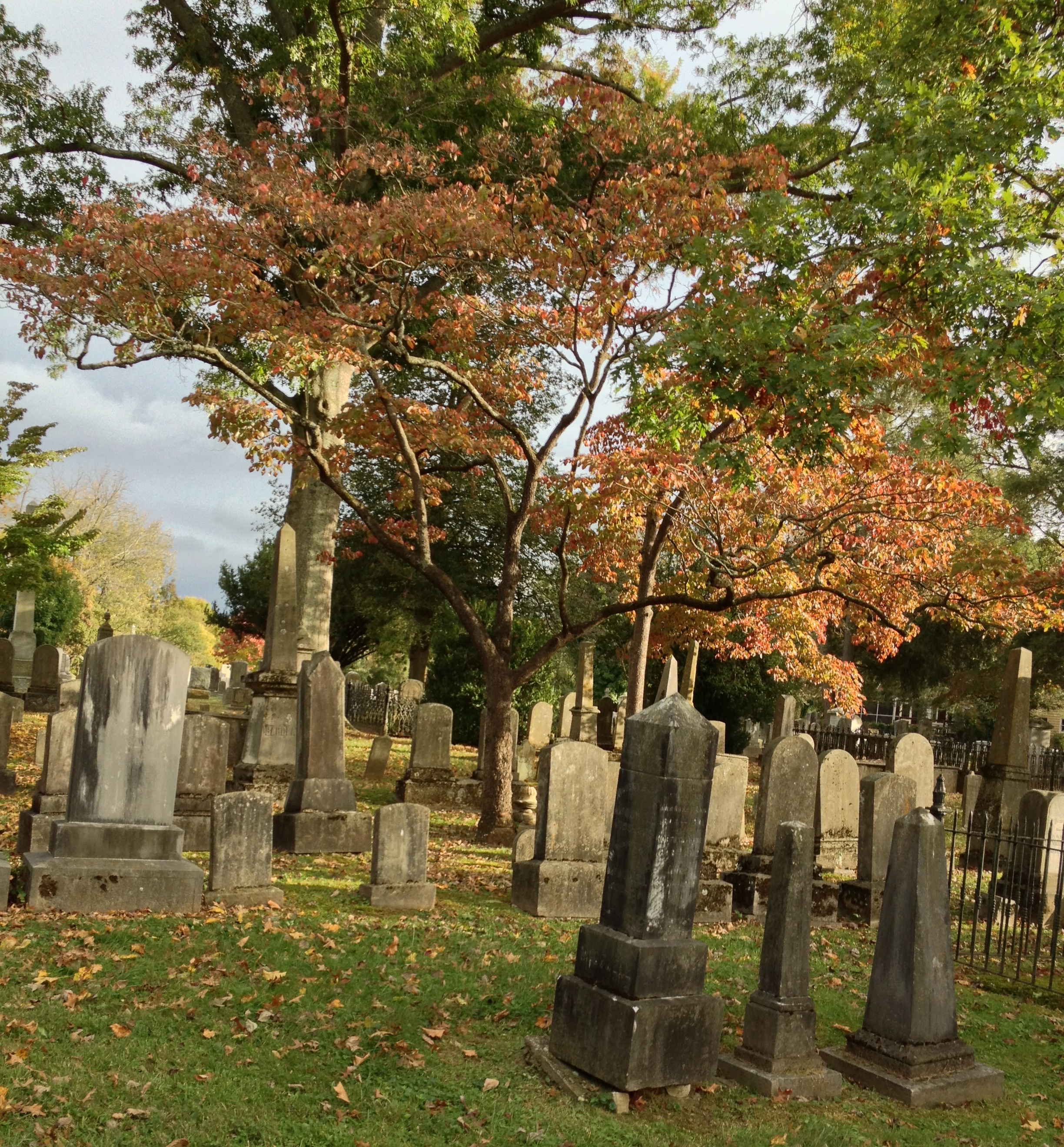
image by Rebekah Choat
That time
I thought I could not
go any closer to grief
without dying
I went closer,
and I did not die.
Surely God
had His hand in this,
as well as friends.
Still I was bent,
and my laughter,
as the poet said,
was nowhere to be found.
Then said my friend Daniel
(brave even among lions),
“It’s not the weight you carry
but how you carry it –
books, bricks, grief –
it’s all in the way
you embrace it, balance it, carry it
when you cannot, and would not,
put it down.”
So I went practicing.
Have you noticed?
Have you heard
the laughter
that comes, now and again,
out of my startled mouth?
How I linger
to admire, admire, admire
the things of this world
that are kind, and maybe
also troubled –
roses in the wind,
the sea geese on the steep waves,
a love
to which there is no reply?
~ Mary Oliver
 Becka's Blog