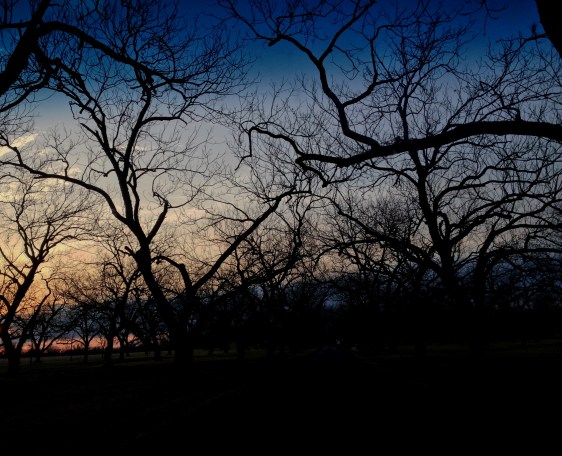
from the depths of unknowing

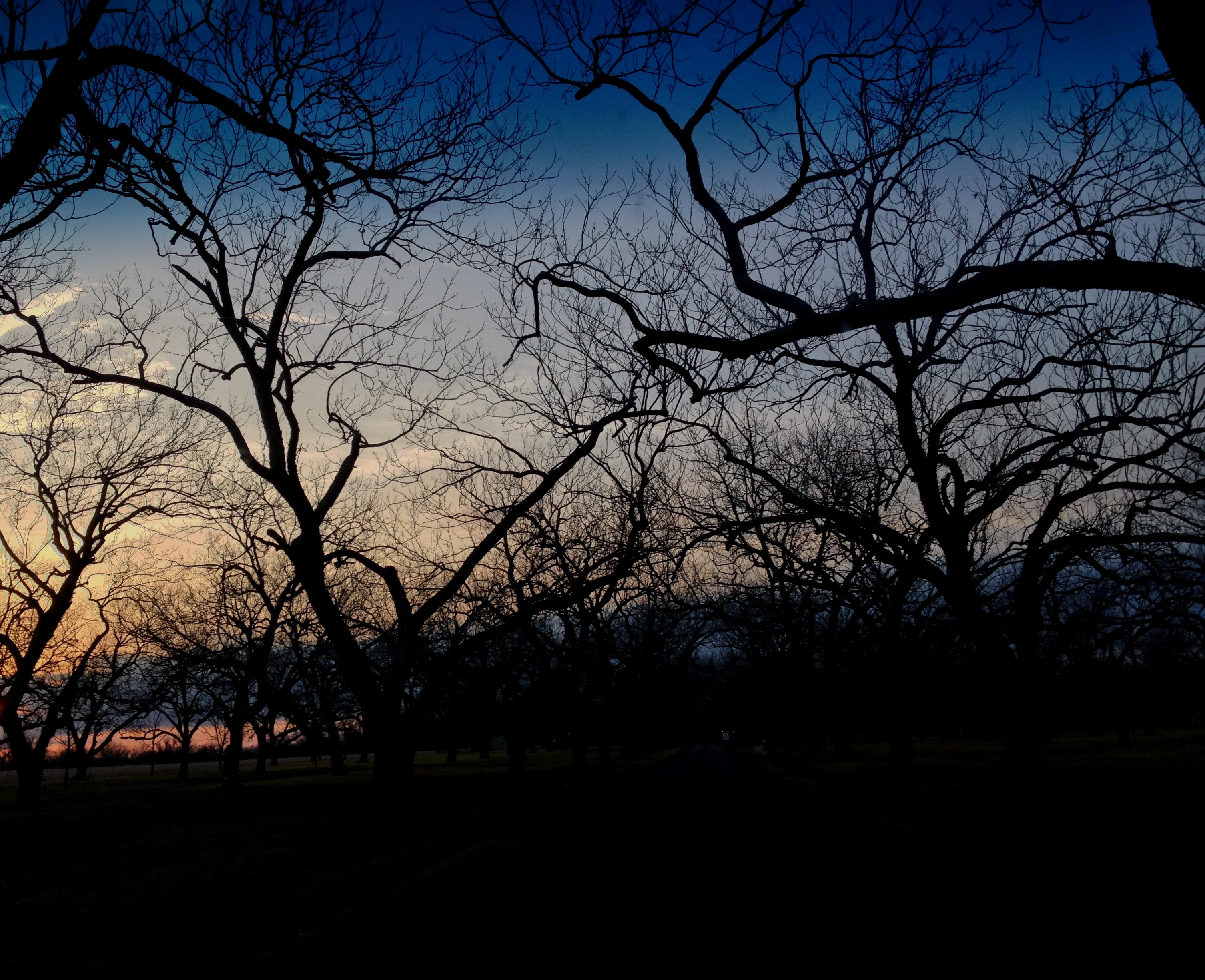
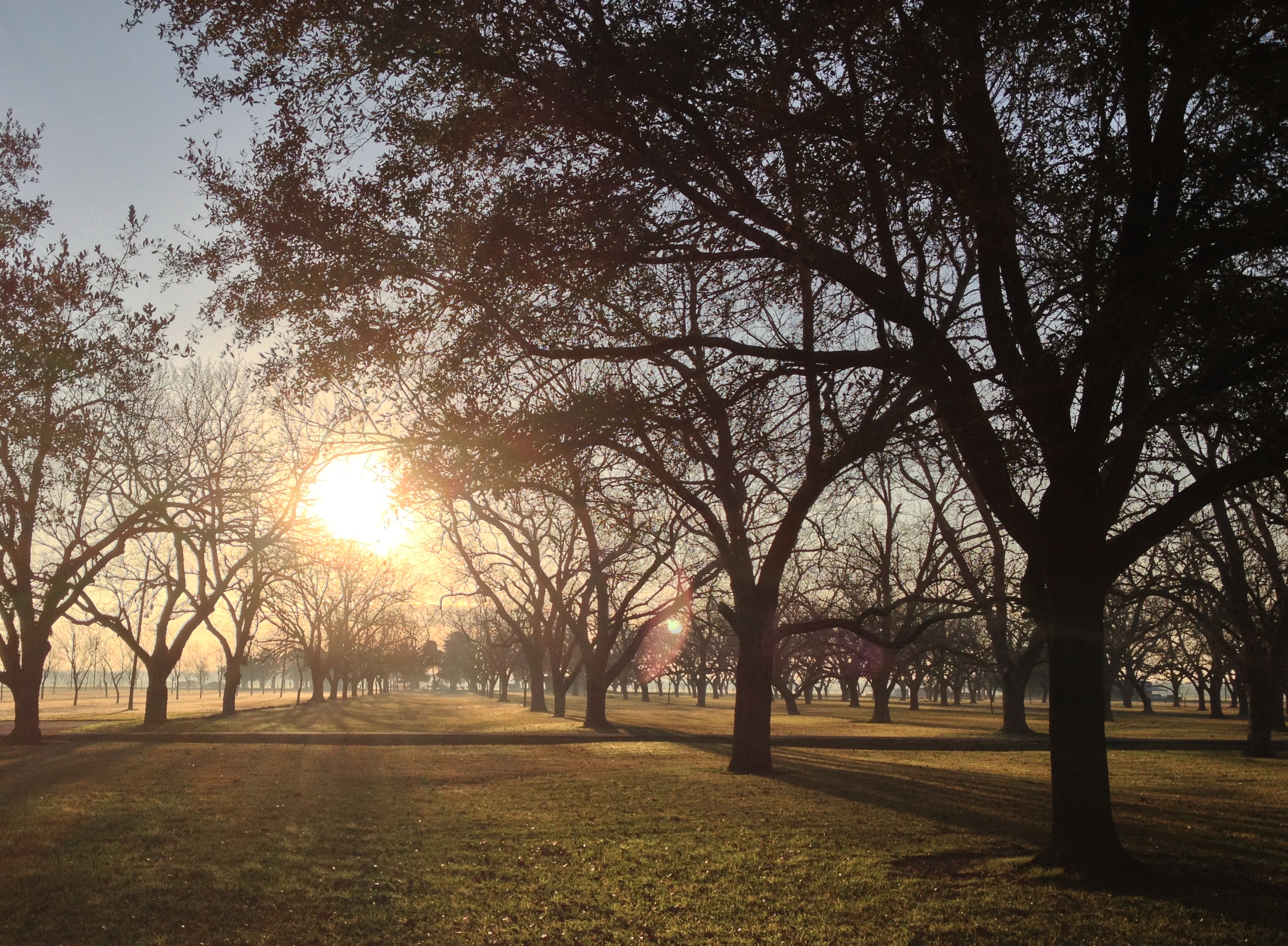
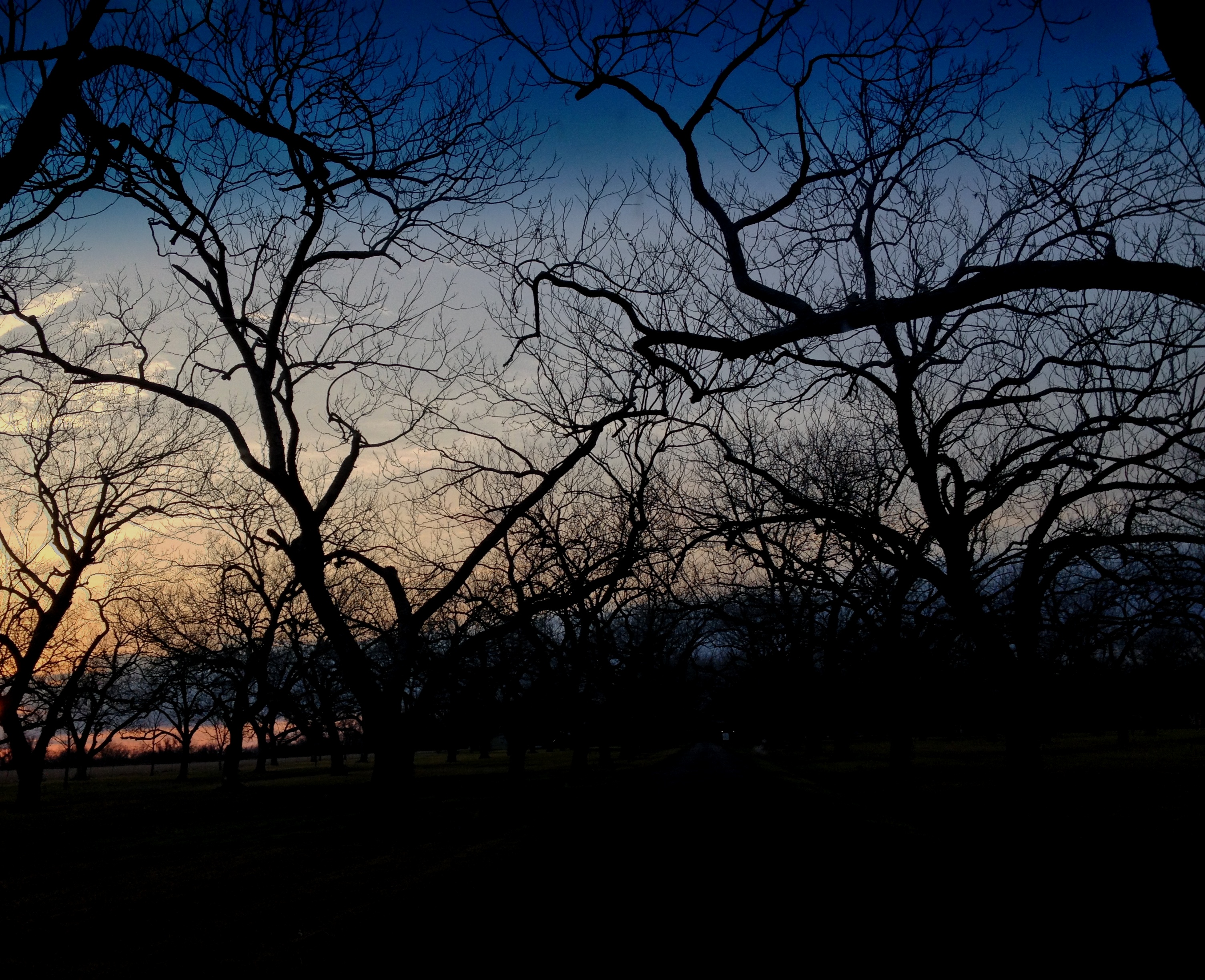
image by Rebekah Choat

image by Rebekah Choat

Keep writing in the dark:
a record of the night, or
words that pulled you from the depths of unknowing,
words that flew through your mind, strange birds
crying their urgency with human voices,

or opened
as flowers of a tree that blooms
only once in a lifetime:

words that may have the power
to make the sun rise again.

~ Denise Levertov

Sacraments

I had the sacramental experience this morning of opening a new book (The Singing Bowl) written by a dear friend (Malcolm Guite). I have no doubt that it was a holy moment, but the meticulous English teacher part of my brain insisted on being completely sure that sacramental was an acceptable and appropriate word to use. So I consulted my friends Merriam-Webster and the OED, and they backed me up.

A sacrament is ‘a thing of mysterious and sacred significance.’ I believe a brand new book, never read before, written by someone I love is most certainly a thing of mysterious significance. Even knowing the poet, even having heard some of the poems before, does not diminish the mystery of what may lie hidden here. (Mystery, by the way, is ‘something secret, strange, difficult or impossible to understand or explain’ and also ‘truth that is unknowable except by divine revelation.’) And sacred means, at its simplest, ‘connected with God,’ which Malcolm’s work undoubtedly is.

Malcolm, through his words, shows us images of a life lived in the sacred mystery, and shares what glimpses he has caught of the God with whom we are connected, the God-with-us in our deepest darkness drawing us into light.

dawn takes forever…

photo by Chris Choat

photo by Chris Choat

Dawn takes forever some days.
the sky remains unchanged for hours,
oblivious to the ticking of the clock
growing louder each second.

It’s no use to sit and watch for it.
I know.  I’ve tried.

The best you can do is
go on about your business,
muddle through however you can in the dark,
until you are surprised, dazzled by the light.

~ Rebekah Choat

These times we know much evil…

photo by Rebekah Choat

photo by Rebekah Choat

These times we know much evil, little good
To steady us in faith
And comfort when our losses press
Hard on us…

For we are fallen like the trees, our peace
Broken, and so we must
Love where we cannot trust,
Trust where we cannot know,
And must await the wayward-coming grace
That joins living and dead,
Taking us where we would not go —
Into the boundless dark.

~ Wendell Berry

Through Shadow Into Light

Caney Creek 24

Christ has died, Christ is risen, Christ will come again.

When the Sabbath was over, Mary Magdalene, Mary the mother of James, and Salome bought spices so that they might go to anoint Jesus’ body.  Very early on the first day of the week, just after sunrise, they were on their way to the tomb and they asked each other, ‘Who will roll the stone away from the entrance of the tomb?’  But when they looked up, they saw that the stone, which was very large, had been rolled away.  As they entered the tomb, they saw a young man dressed in a white robe, sitting on the right side, and they were alarmed.  ‘Don’t be alarmed,’ he said.  ‘You are looking for Jesus the Nazarene, who was crucified.  He has risen!  He is not here.  See the place where they laid him.’  Mark 16:1-6

Through darkness, you shall come to the light. ~ J.R.R. Tolkien, ‘Of Tuor and His Coming to Gondolin,’ Unfinished Tales p 21

Shadows, Part Four

path in shadow

shadow:  a shaded or darker portion of a picture

‘The story of Jesus is full of darkness as well as of light.  It is a story that hides more than it reveals.  It is the story of a mystery we must never assume we understand and that comes to us breathless and broken with unspeakable beauty at the heart of it yet by no means a pretty story.’  ~ Frederick Buechner, ‘The Two Stories,’ A Room Called Remember p 51

We call it Good Friday, this darkest day in the history of the church.  We don’t understand.  We, like the disciples, are so often sleepy, bewildered, unable to grasp the significance of what is happening.  We’d prefer to avert our eyes, to fast –forward from the triumphal entry of Palm Sunday right on to the triumphal resurrection of Easter.

But this is the story as it happened.  These dark hours are the hinge-pin upon which all that went before and all that comes after turns.  The shadows cannot be skirted; they must be walked through.

 ‘When evening came, Jesus was reclining at the table with the Twelve.  And while they were eating, he said, ’I tell you the truth, one of you will betray me.’  Matthew 26:20-21

 ‘Early in the morning, all the chief priests and the elders of the people came to the decision to put Jesus to death.’  Matthew 27:1

 ‘From the sixth hour until the ninth hour darkness came over all the land.  About the ninth hour Jesus cried out in a loud voice, ‘Eloi, Eloi, lama sabachtani?’ – which means, ‘My God, my God, why have you forsaken me?’  Matthew 27:45-46

 ‘And when Jesus had cried out again in a loud voice, he gave up his spirit.’  Matthew 27:50
Shadows, Part 2

img165

Sometimes shadows hide things.  It’s easy to image in the near-dark of late dusk that they cloak monsters or wild animals or evil men, waiting for the last light to fade completely before they leap (or creep) out to attack us.  We think that perhaps if we sit very, very still, don’t bat an eyelash, don’t make a sound, barely dare to breathe, we can pass the night unmolested.  Or maybe we’re paralyzed because the shadows are concealing our way.  We don’t go forward for fear of missing a signpost or a fork in the road, or stepping off into a mire of quicksand or over the edge of an unseen precipice.

Those dangers are, of course, real possibilities, and sometimes — sometimes — sitting down and waiting for the light to return before moving on may be the wisest course of action.  But not always, and never permanently.  We can’t stay forever in the makeshift huts we build ourselves on the edges of the shadowy places, which, if we’re at all honest, we know don’t offer any real protection anyway.  Sometimes we need to look at the shadows differently through the last shreds of sunset or the final flickers of our guttering torches.  This is affirmed in another definition of the word:  shelter from danger or observation.

Sometimes shadows hide us, screening us from they eyes of those who would harm us, providing us cover to slip past hostile sentinels unnoticed.  They may, blessedly, shroud obstacles we would think insurmountable, or veil perils that would freeze our blood if we could see them clearly.  Perhaps they prevent our being deceived into taking what would look, in broad daylight, like a shortcut or an easier road to our intended destination.  Shadows might make us more alert to the soft touch of a guiding hand, more apt to hear a still, small voice.

The Shadow

DSC_0867

The word “shadow” has sixteen definitions or shades of meaning in my dictionary.  One of them is simply “darkness.”  In turn, darkness has a number of different nuances.  The natural physical darkness of night is both an invitation and a facilitator for our bodies to rest.  But that same night-darkness is feared by my young daughter, making many nights uncomfortable and unrestful, leaving me exhausted at dawn.  This weariness then makes me vulnerable to the darkness of depression, which seems always to hover nearby, ready to seep in through any crack in my defenses.  A friend of mine, who understands this struggle well, refers to depression as “the shadow.”

I’ve gradually become aware, the past few years, that the depression which assails me has a component of seasonal affective disorder – these darker days and longer nights of winter take a vague but noticeable toll on me.

Yet, in my heightened awareness at this season, I have found unexpected, sometimes startling, redemptive ways of looking at darkness.  T.S. Eliot says to let “the darkness of God” come upon you.  C.S. Lewis’s hero Ransom finds the darkness on Perelandra dense with the presence, the spirit of God.  George MacDonald notes that “all things seem rushing straight into the dark, but the dark still is God.”  And, as J.R.R. Tolkien’s Samwise Gamgee realizes, looking up out of the forsaken land, a star shines most brightly against the darkest sky.